Understanding CBT
Understanding CBT
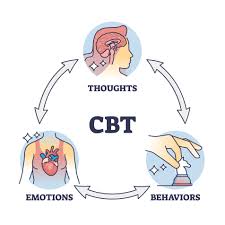
Cognitive Behavior Therapy (CBT) is a form of psychotherapy that focuses on identifying and changing negative thought patterns and behaviors. It is based on the idea that our thoughts, feelings, and behaviors are interconnected, and that changing negative thoughts and behaviors can lead to improvements in how we feel.
What is CBT?
CBT is a structured, time-limited therapy that is goal-oriented and problem-focused. It involves working with a therapist to identify specific problems and develop strategies to address them. CBT is used to treat a wide range of mental health conditions, including depression, anxiety, PTSD, and more.
How Does CBT Work?
CBT works by helping individuals recognize and change negative thought patterns and behaviors. The therapy typically involves the following steps:
- Assessment: The therapist works with the individual to identify specific problems and set goals for therapy.
- Education: The therapist educates the individual about CBT and how it can help.
- Identifying Negative Thoughts: The individual learns to recognize negative thought patterns that contribute to their problems.
- Challenging Negative Thoughts: The therapist helps the individual challenge and change negative thoughts.
- Behavioral Strategies: The therapist and individual develop strategies to change negative behaviors and reinforce positive ones.
Benefits of CBT
CBT has been shown to be highly effective in treating a wide range of mental health conditions. Some of the benefits of CBT include:
- Improved mood and emotional well-being
- Reduced symptoms of depression and anxiety
- Better coping skills for managing stress and difficult situations
- Increased self-awareness and understanding of one's thoughts and behaviors
- Long-lasting improvements in mental health
Is CBT Right for You?
CBT is a versatile therapy that can be adapted to meet the needs of many individuals. If you are struggling with mental health issues and are looking for a structured, evidence-based approach to treatment, CBT may be a good option for you. Speak with a qualified therapist to determine if CBT is right for your specific situation.
At the Institute of Cognitive Behavior Therapy, we are committed to providing high-quality, compassionate care to help you achieve your mental health goals. Contact us today to learn more about CBT and how it can benefit you.